
What is a virtual card: how it works, how to get one and how to use it
AI Summary
Show More
Quickly grasp the article's content and gauge market sentiment in just 30 seconds!
A virtual card is a digital version of a payment card that exists only in electronic form. In the first half of 2025, the total number of non-cash payments in the euro area reached 77.7 billion, a 7.7% increase compared with the first half of 2024, with a total value of €116.0 trillion, according to payment statistics published by the European Central Bank. As digital transactions accelerate across the European Economic Area (EEA), virtual cards have become a practical tool for consumers who want instant access to a payment method without waiting for a physical card to arrive.This article explains what a virtual card is and the common ways people use it for everyday spending, showcasing possible features with the example of Bybit Stockholm Open virtual card.
Key takeaways
A virtual card is a digital payment card with its own card number, expiry date and security code, used exclusively for online and digital transactions.
Virtual cards can typically be issued instantly and managed through a mobile app or web platform, making them accessible without waiting for physical delivery.
They may offer additional control over online spending through features such as spending limits and the ability to freeze or replace the card digitally.
What is a virtual card?
A virtual card is a payment card that has no physical form. It consists of a card number, expiry date and CVV code, just like a traditional debit or credit card, but it exists only in a digital format. Users can typically view and manage their virtual card through a mobile application or online platform.Virtual cards function on established card networks and can generally be used wherever online card payments are accepted. They are linked to a funding source, which may be a bank account, a digital wallet or, in some cases, a crypto-asset balance that is converted to fiat at the point of transaction.The concept is not new — Mastercard and Visa have supported virtual card issuance for over a decade, and the Bybit Card, powered by the Mastercard network, is one example of this infrastructure in action. Adoption has accelerated in recent years as digital commerce and mobile-first financial services have expanded.
How a virtual card works
The mechanics of a virtual card are straightforward:
A user applies for a virtual card through a card issuer or platform that offers one.
Once approved, the card details (number, expiry, CVV) are generated digitally and displayed within the app or platform.
The user adds the card to a digital wallet (such as Apple Pay or Google Pay) or enters the details manually when making an online payment.
When a transaction is initiated, the card network processes the payment using the linked funding source.
The transaction appears in the user's account history, typically in real time.
Because no physical card is involved, virtual cards can often be issued within minutes of application. This removes the standard delivery window associated with plastic cards, which may take several business days or longer depending on the jurisdiction.
Why do people use virtual cards
Several practical factors have contributed to the rising adoption of virtual cards among consumers in EEA countries.
Instant access
Virtual cards are typically available immediately after approval. There is no need to wait for postal delivery, which is particularly relevant for users who need a payment method quickly, for example when signing up for a digital service or making a time-sensitive purchase.
Safer for online payments
Virtual cards can offer a layer of separation between a user's primary account and online merchants. Some issuers allow users to generate single-use card numbers or to set spending limits on a per-card basis. According to the European Central Bank's 2023 report on card fraud, card-not-present fraud (transactions made online without a physical card) accounted for the majority of fraudulent card transactions in the euro area. Tools that limit exposure, such as virtual cards with configurable spending limits, can contribute to reducing this risk.
Easy to manage and replace
If a virtual card number is compromised, it can typically be frozen or replaced instantly through the issuing platform's app. There is no need to wait for a replacement card in the post, and the user's primary account remains unaffected.
Subscriptions
Streaming services, software subscriptions, cloud storage and other recurring digital payments can be linked to a virtual card. Some users prefer to dedicate a specific virtual card to subscriptions, making it easier to track recurring charges and cancel services by simply freezing the associated card.
Travel bookings
Flights, accommodation and car rentals can all be booked online using a virtual card. For users who prefer not to expose their primary bank card details to multiple travel platforms, a virtual card offers a practical alternative.
Digital purchases
App store purchases, in-game items, digital content and other online-only transactions are well suited to virtual card payments.
How to apply for a virtual card
The application process for a virtual card varies by issuer, but typically follows a common pattern:
Create an account with the card-issuing platform or financial institution.
Complete identity verification as required by the issuer and applicable regulations. In EEA countries, this typically involves Know Your Customer (KYC) procedures in compliance with anti-money laundering requirements.
Select the virtual card option within the platform.
Once approved, the card details are generated and displayed digitally.
Add the card to a digital wallet or use the card details directly for online transactions.
Some platforms also allow users to fund their virtual card using digital assets, operating as a crypto debit card, such as Bybit EU card. In such cases, the crypto-asset balance is typically converted to fiat currency (such as EUR) at the time of a transaction, meaning the merchant receives a standard fiat payment.
Customisable card designs
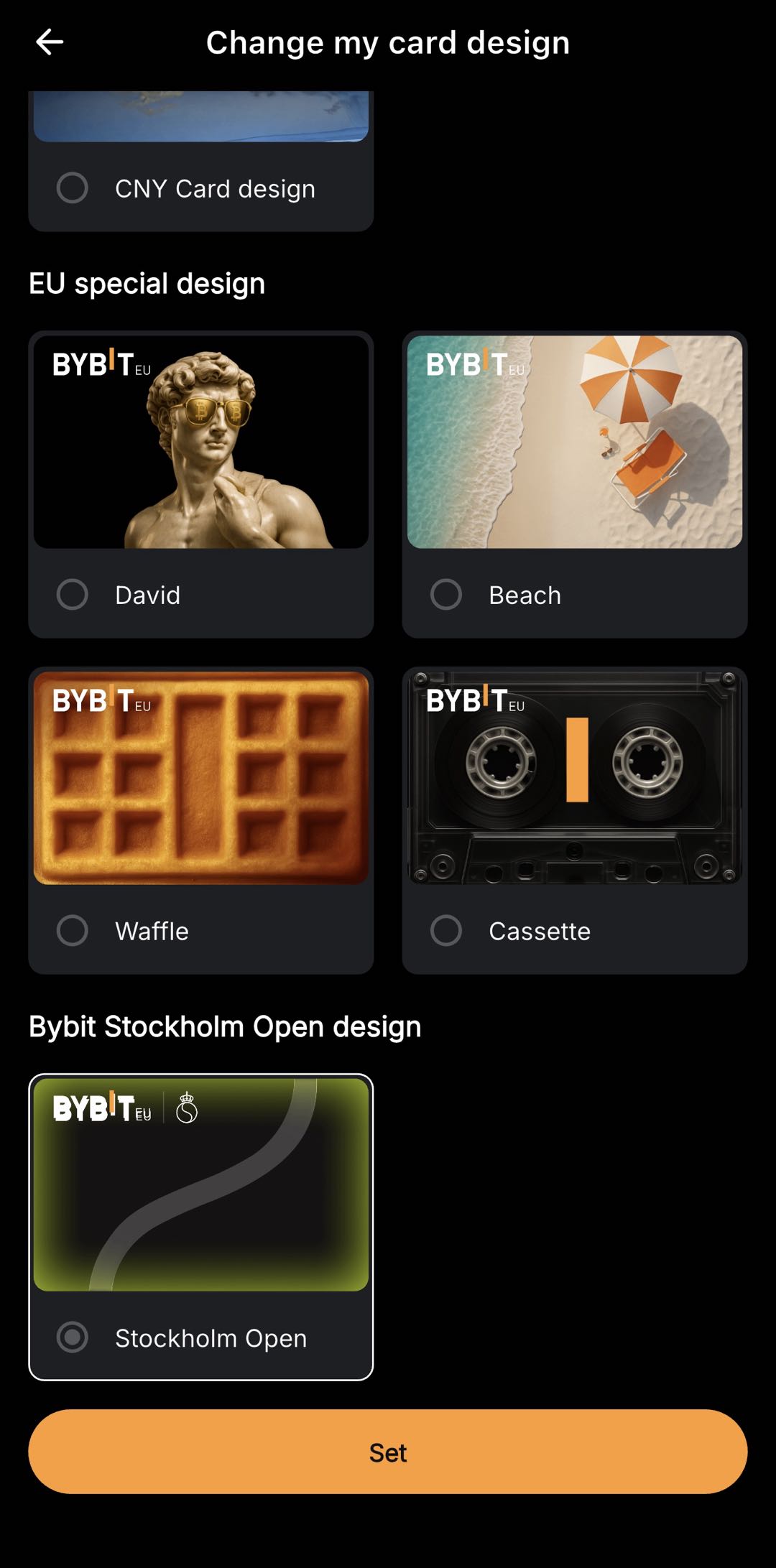
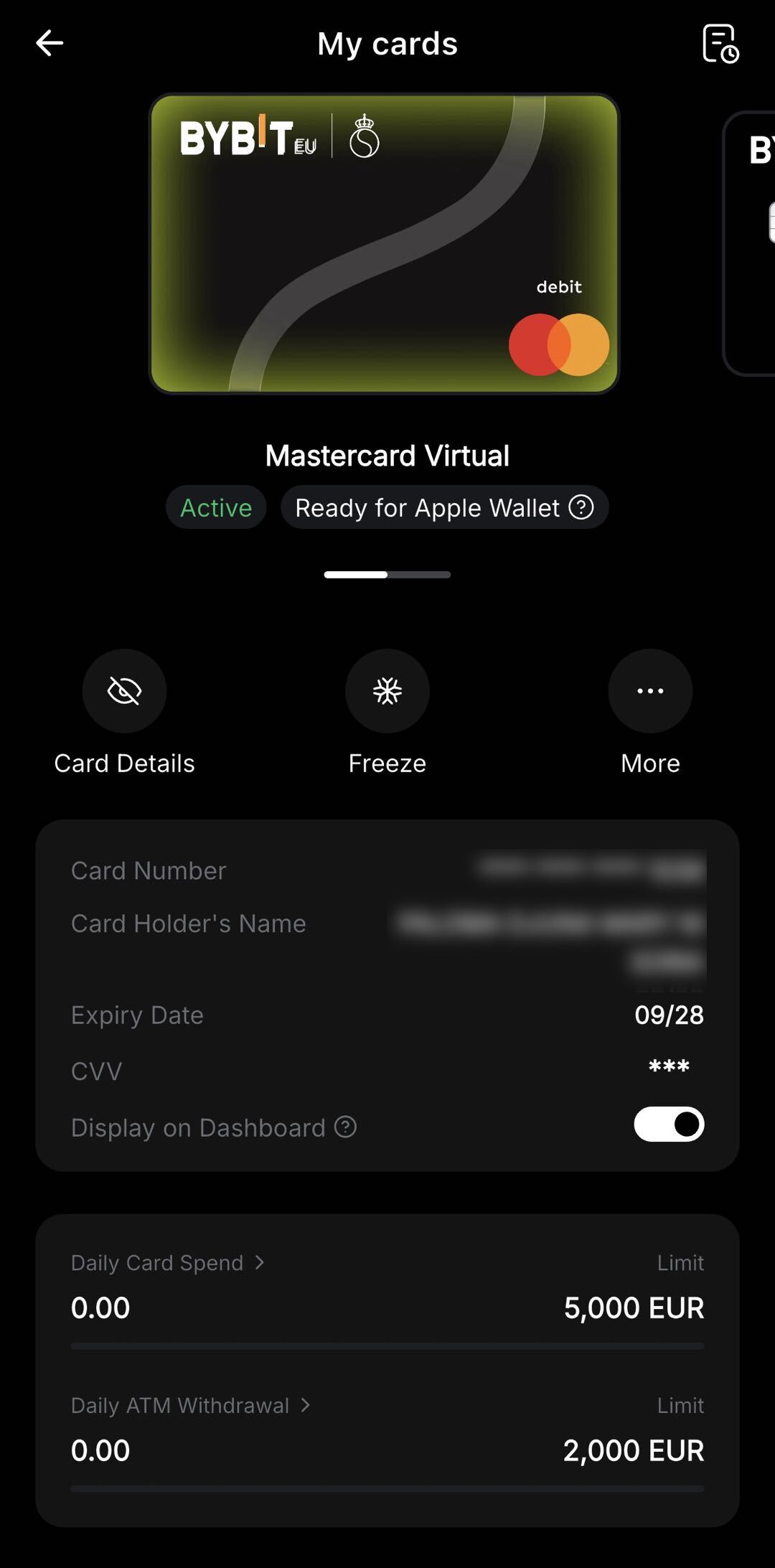
Beyond functionality, some issuers offer customisable virtual card designs — allowing users to personalise the visual appearance of their card within a digital wallet or app interface. This can include themed designs tied to events, partnerships or seasonal campaigns. For example, the Bybit Stockholm Open virtual card design can be retrieved by navigating to the Card Dashboard, selecting "My Cards", tapping "More", then "Card Design" and choosing the preferred virtual card design from the available options.
What to consider when choosing a virtual card
Not all virtual cards are the same. When evaluating options, users may wish to consider:
Factor | What to look for |
|---|---|
Fees | Card issuance fees, transaction fees, currency conversion fees and any monthly maintenance charges |
Funding options | Whether the card can be funded via bank transfer, digital assets or other methods |
Supported networks | Which network the card operates with |
Spending limits | Daily, monthly or per-transaction limits that apply |
Geographical availability | Whether the card is available in your specific EEA country of residence |
Regulatory status | Whether the issuer is authorised by a competent authority within the EEA |
App features | Real-time notifications, spending analytics, ability to freeze and unfreeze the card |
Spotlight: Bybit Stockholm Open virtual card
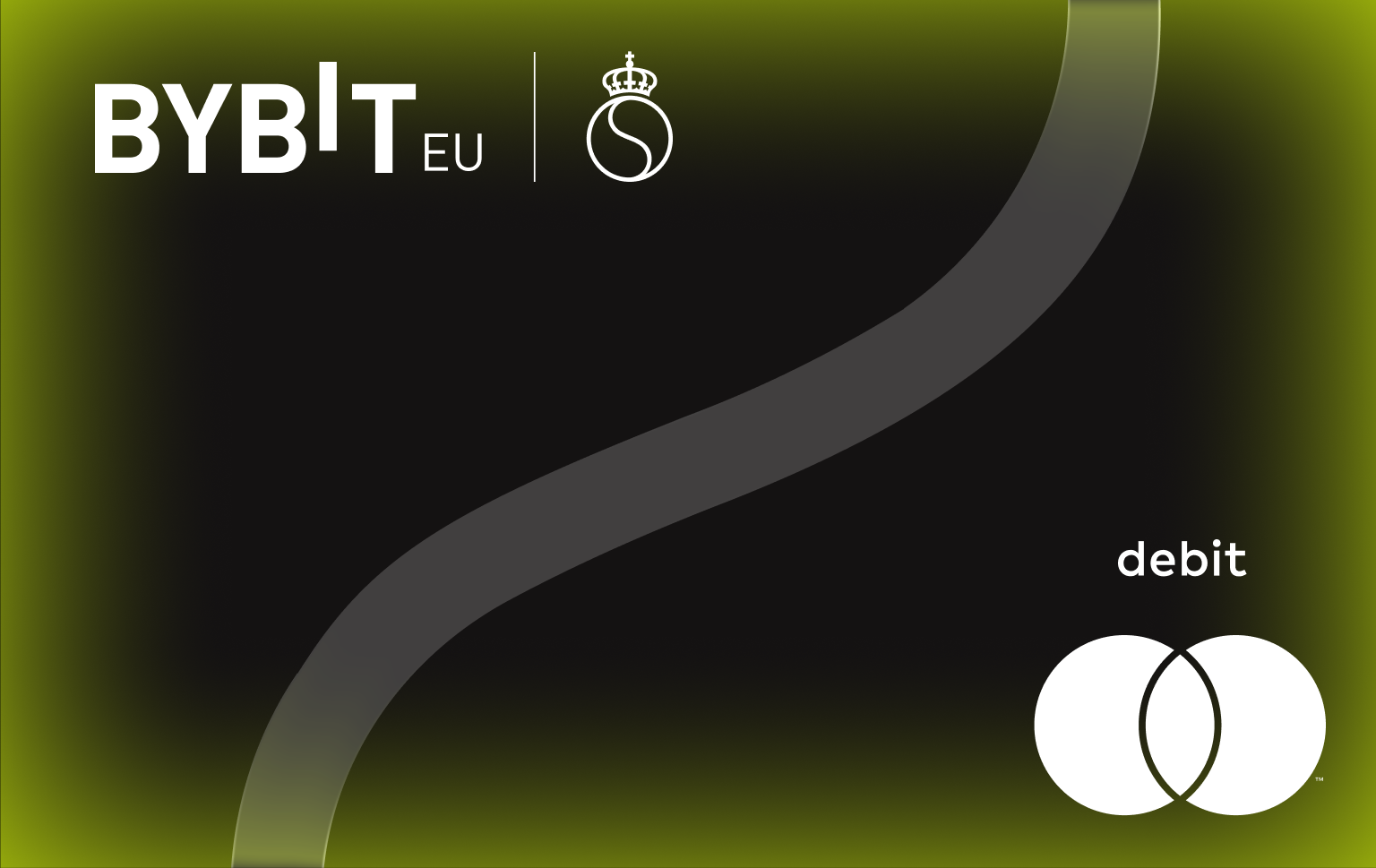
As an example of how virtual cards can be offered alongside additional features, Bybit EU has introduced a limited-edition virtual card design in partnership with the Stockholm Open tennis tournament. The Bybit Card is available to eligible, identity-verified Bybit EU users in EEA countries where Bybit EU services are accessible (excluding Malta). The Stockholm Open virtual card is a specific design variant of the Bybit Card. Key features of this offering, as described in the promotion terms:
Limited-edition tennis-themed design. The virtual card features a Stockholm Open tournament design, available for a limited promotional period.
Cashback on Stockholm Open tickets. Bybit Card holders who use their card to purchase Stockholm Open 2026 tickets via the official website may receive up to 15% cashback, subject to a cap of €300 per user and a total pool of 80 tickets on a first-come, first-served basis.
The Stockholm Open virtual card is non-transferable and its specific promotional perks cannot be redeemed on standard Bybit Card designs. Cashback is distributed in either USDC or BTC, as selected by the user, and credited to the user's funding account within four business days of the qualifying transaction. Full terms and conditions, including eligibility requirements and promotional period dates, are available on the Bybit EU Stockholm Open page.
Regulatory context for virtual cards in EEA countries
Virtual cards issued within the EEA are subject to regulatory frameworks that apply to electronic money and payment services. Under the Payment Services Directive (PSD2), card issuers must comply with requirements around strong customer authentication, transparency of fees and dispute resolution.Where a virtual card is linked to crypto-asset services, additional regulatory requirements may apply. Under the Markets in Crypto-Assets Regulation (MiCAR), crypto-asset service providers operating in EEA countries must hold appropriate authorisation and comply with requirements relating to consumer protection, governance and transparency.Users should verify that their card issuer is authorised by a competent authority in the EEA and understand how their funds are held and protected.
Bottom line
A virtual card is a digital payment card that provides the functionality of a traditional debit card without requiring a physical plastic form. It can be issued quickly, used for online transactions and managed entirely through digital platforms.For consumers in EEA countries who shop online, manage subscriptions or prefer digital-first financial tools, virtual cards offer a practical and flexible payment method. When choosing a virtual card, it is worth considering the issuer's fee structure, regulatory status, supported funding methods and available features.As with any financial product, users should review the applicable terms and conditions and assess whether the product meets their specific needs.
FAQ
What is a virtual card?
A virtual card is a digital-only payment card with its own card number, expiry date and CVV. It functions like a traditional debit card for online transactions but has no physical plastic form.
Is a virtual card safe for online payments?
A virtual card can offer additional security for online payments because it provides a separate card number from a user's primary bank account. Some issuers also allow spending limits or single-use card numbers, which may reduce exposure in the event of a data breach.
How quickly can I get a virtual card?
Virtual cards are typically issued within the day of a successful application and identity verification. There is no delivery time because the card exists only in digital form.
Can I use a virtual card in physical shops?
A virtual card can generally be added to a mobile wallet (Apple Pay, Google Pay) and used for contactless in-store payments at terminals that accept mobile wallet transactions.
Can I fund a virtual card with digital assets?
Some card issuers, including digital asset service providers authorised in EEA countries, allow users to fund their virtual card using crypto. The crypto balance is typically converted to fiat currency at the point of transaction.
Investing in crypto‑assets is associated with risks, including high volatility and the potential loss of capital. Inform yourself thoroughly about the risks before making an investment decision. The information provided in this article is strictly for educational and informational purposes and should not be construed as financial or investment advice.