
What is Enhanced Due Diligence (EDD)?
Enhanced Due Diligence is an additional verification process that may be required when certain account activities or regulatory checks prompt a deeper review. This helps ensure that all funds on our platform come from legitimate and verifiable sources. It is a normal compliance measure and does not indicate any wrongdoing.
What information do I need to provide?
When completing EDD, you will be asked to provide information about:
a. Source of Funds (SOF)
SOF explains where the money you deposit into your Bybit EU account comes from.
Examples: salary, savings, business income, sale of an asset, loan proceeds, investment income, etc.
SOF is always liquid funds used to make deposits and trades.
b. Source of Wealth (SOW)
SOW explains how you built your total wealth over time.
Examples: long-term employment, profitable business, investments, inheritance, real estate holdings, etc.
SOW includes both liquid and illiquid assets, including crypto and traditional holdings.
Key Difference Between SOF and SOW:
- SOF = the specific funds used to make a deposit.
- SOW = your overall financial background and how your wealth was built.
You may be required to submit documents supporting both SOF and SOW.
Why does Bybit EU require Source of Funds and Source of Wealth information?
Bybit EU is committed to providing a safe and compliant trading environment. Requesting Source of Funds and Source of Wealth information allows the platform to:
- Comply with AML/CTF requirements as well as various other regulatory requirements
- Prevent financial crimes
- Understand and assess user risk and transaction patterns
- Protect both the platform and its users
This process is standard across regulated exchanges and financial institutions, and it ensures that all transactions are legitimate and fully compliant.
What are the acceptable Identity (ID) Documents for EDD?
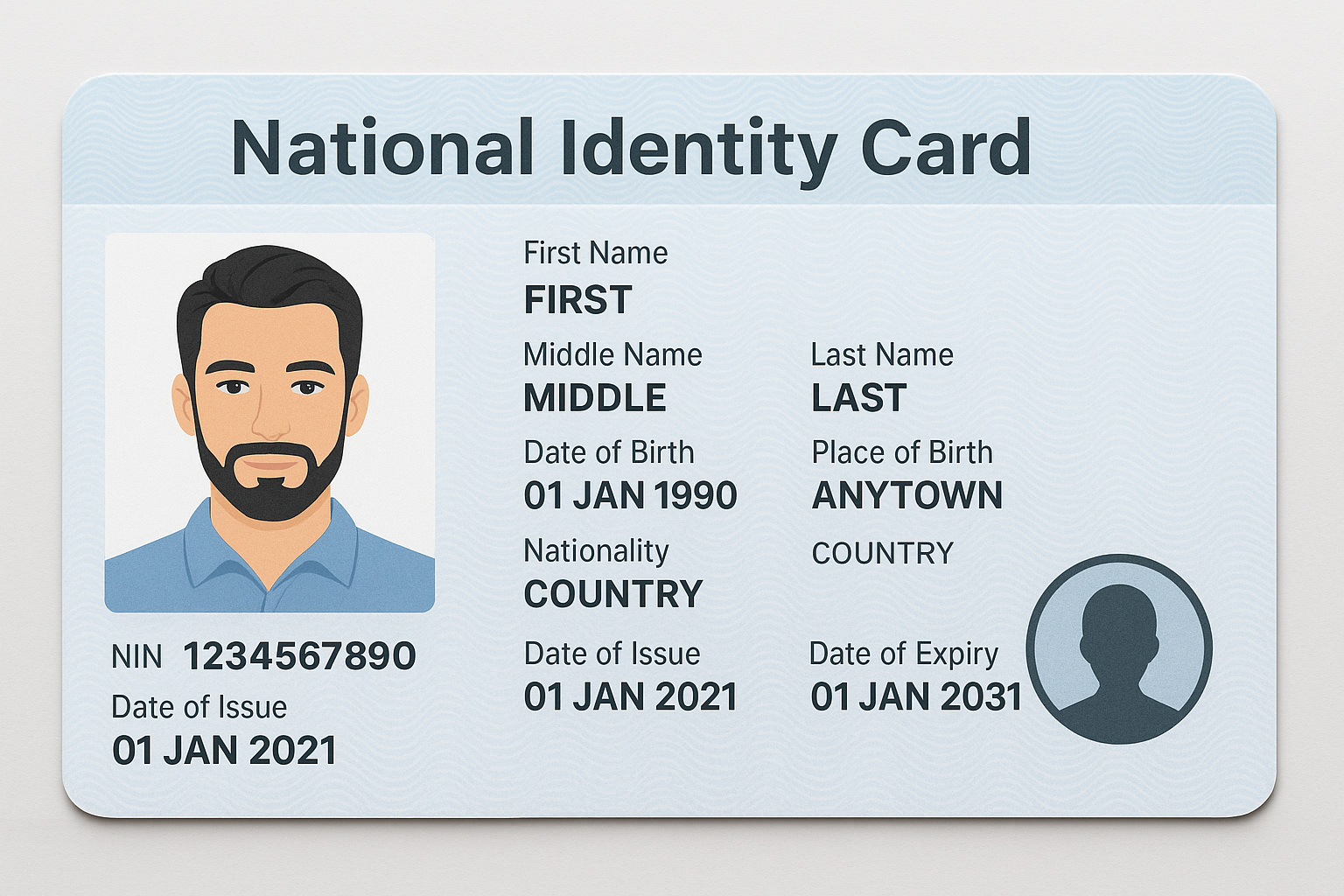

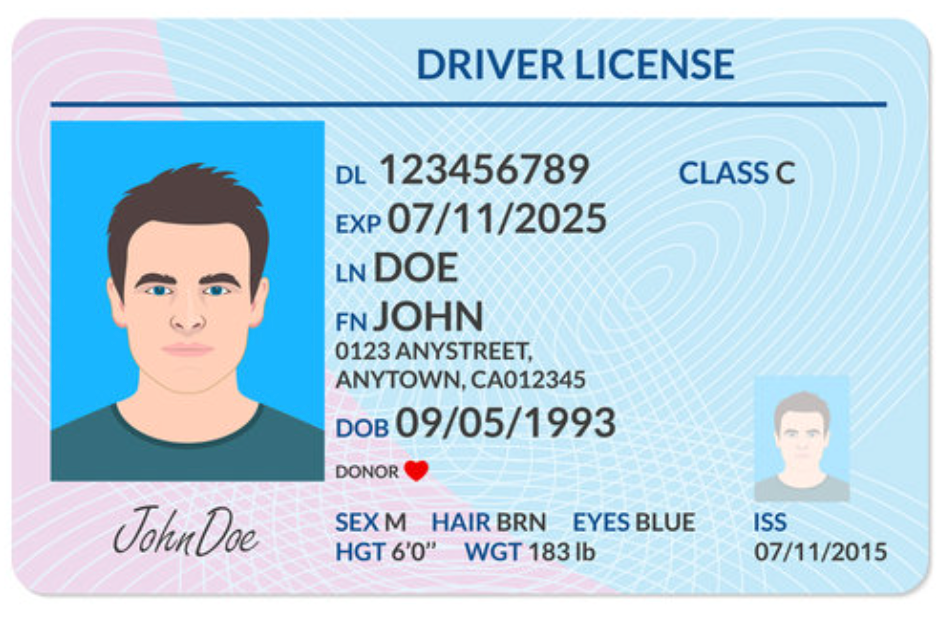
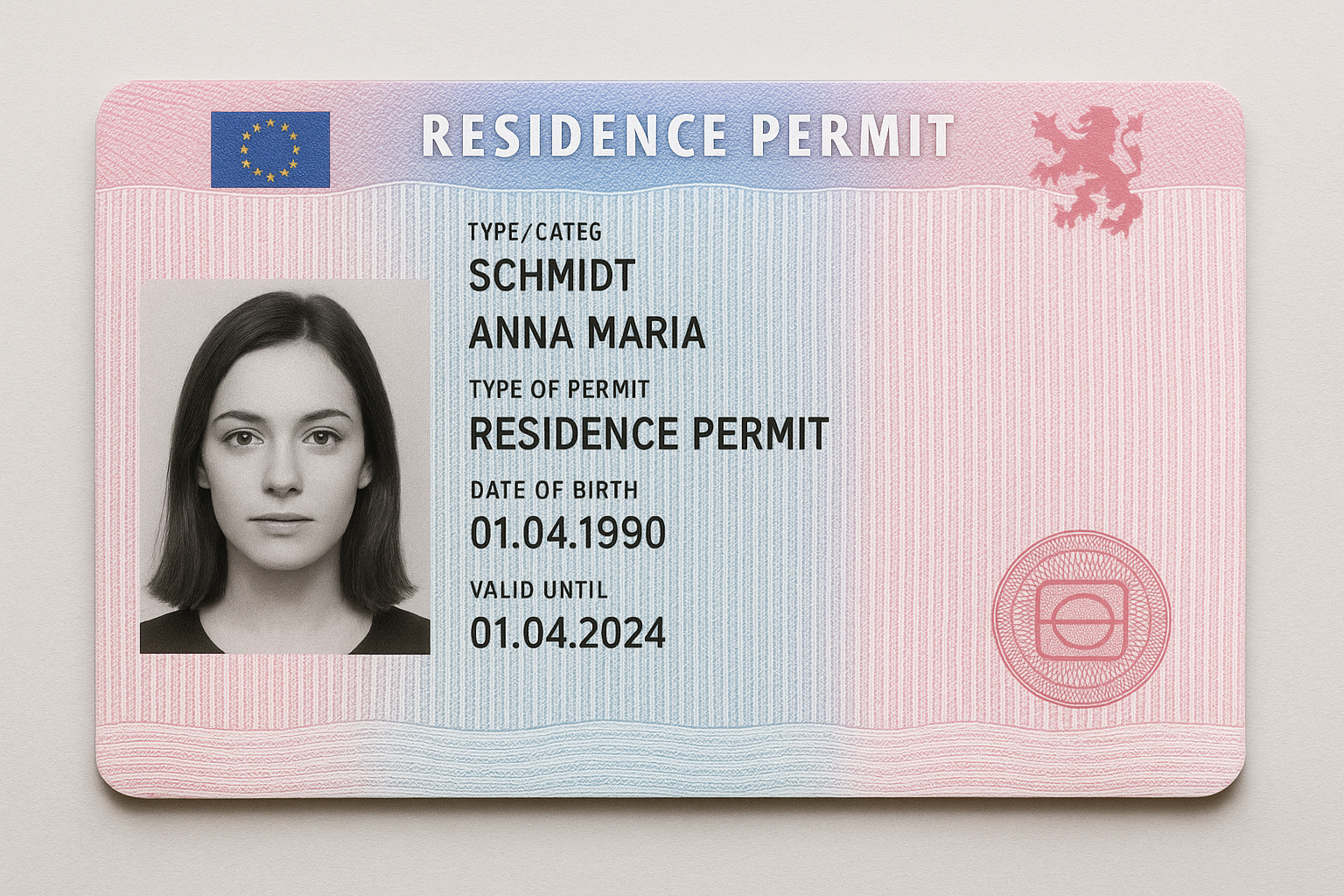
What are the acceptable Proof of Residence (POR) Documents for EDD?
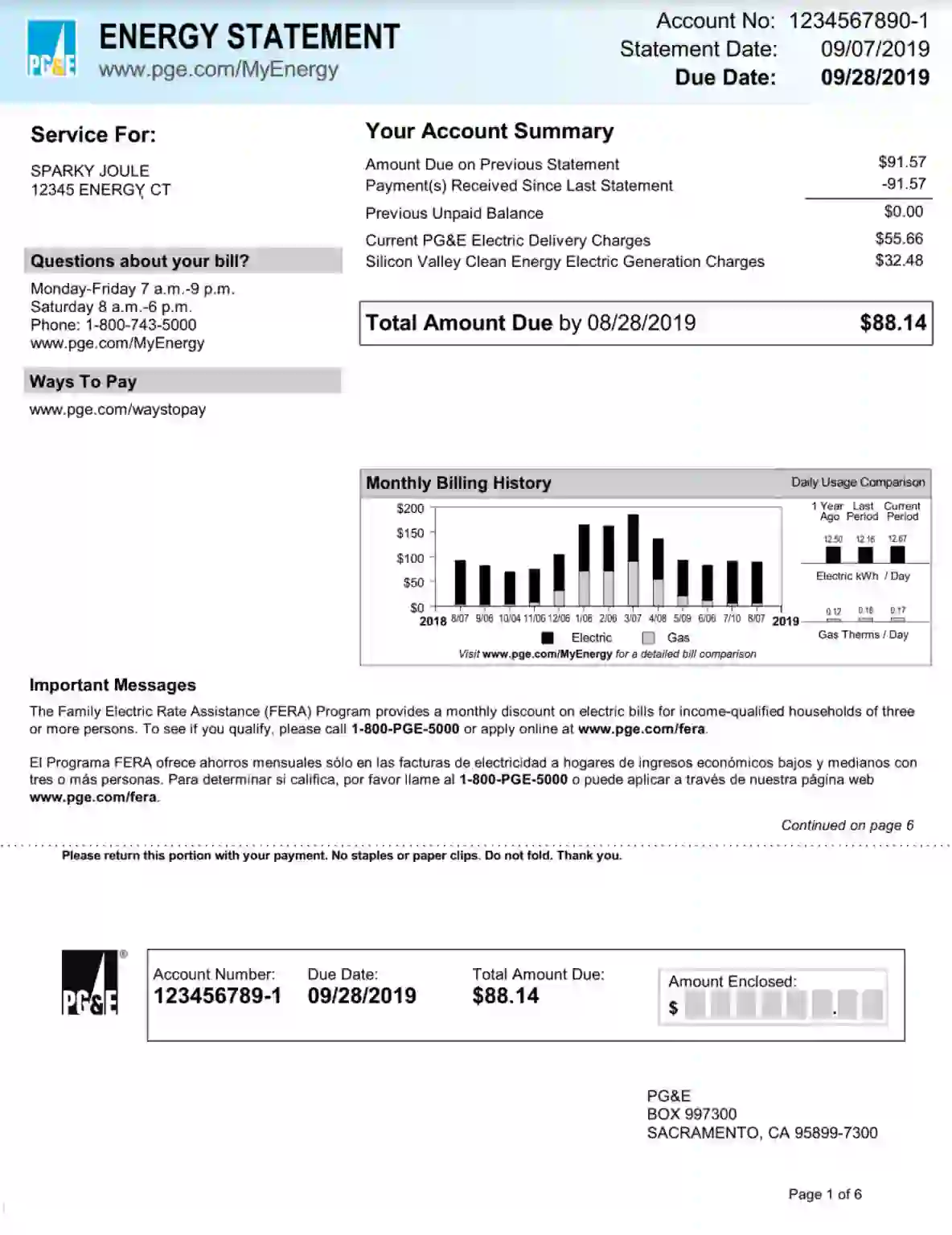
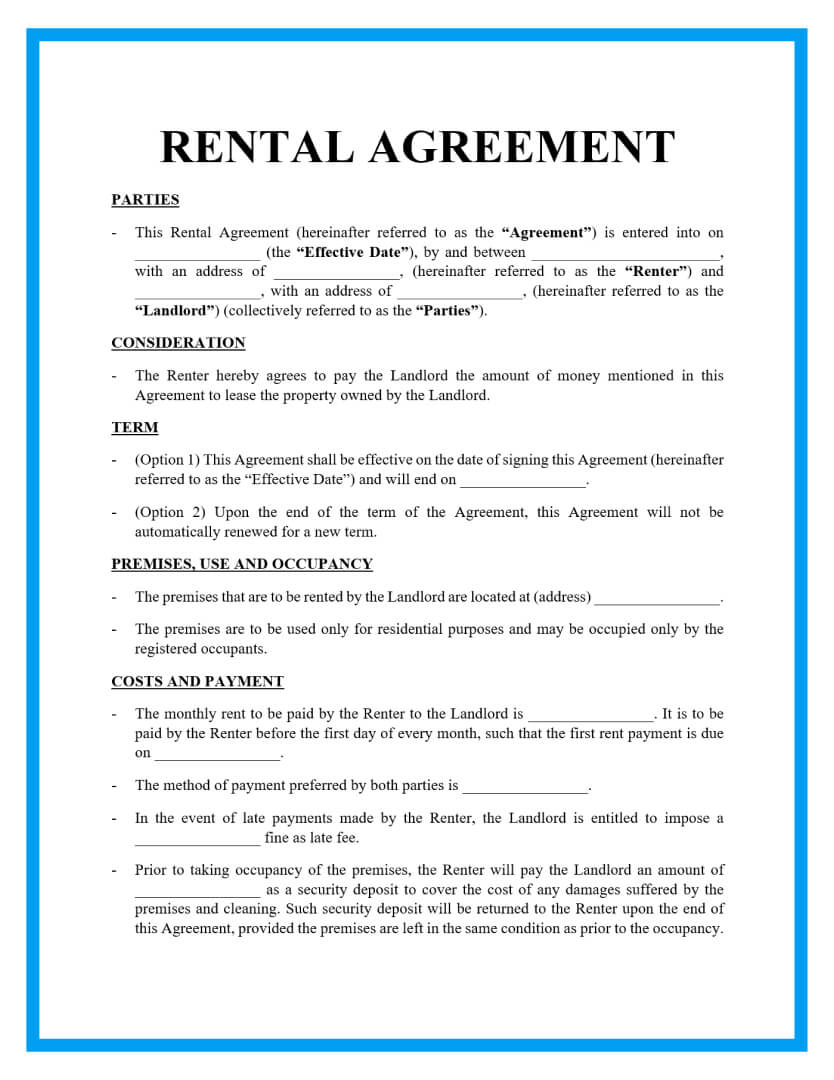
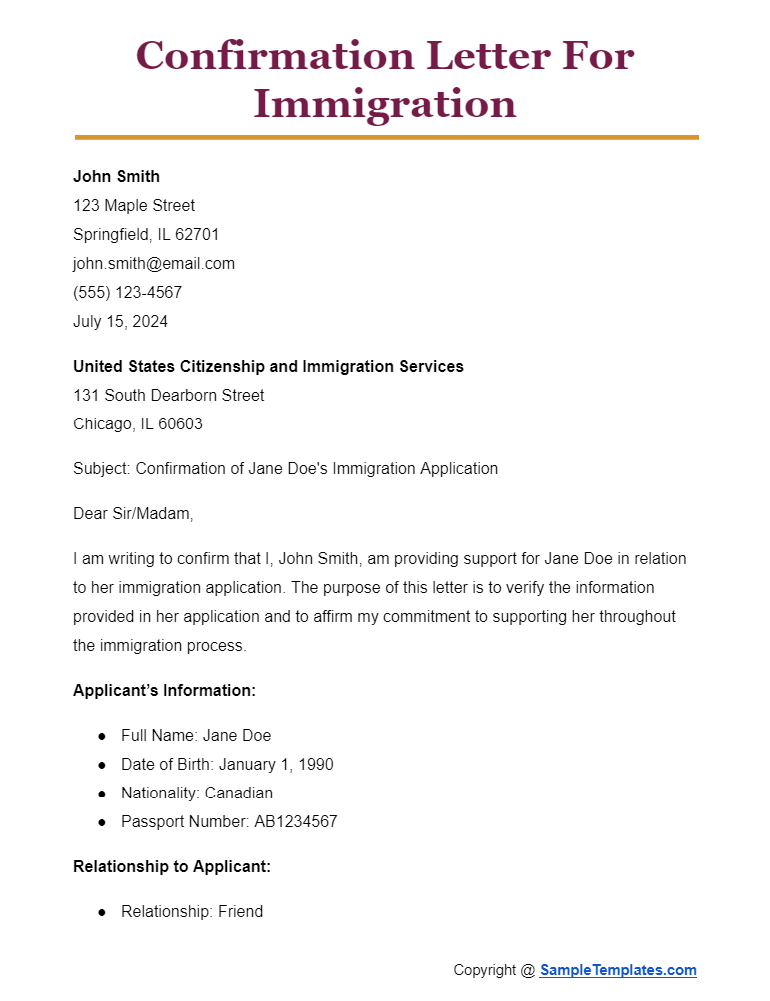
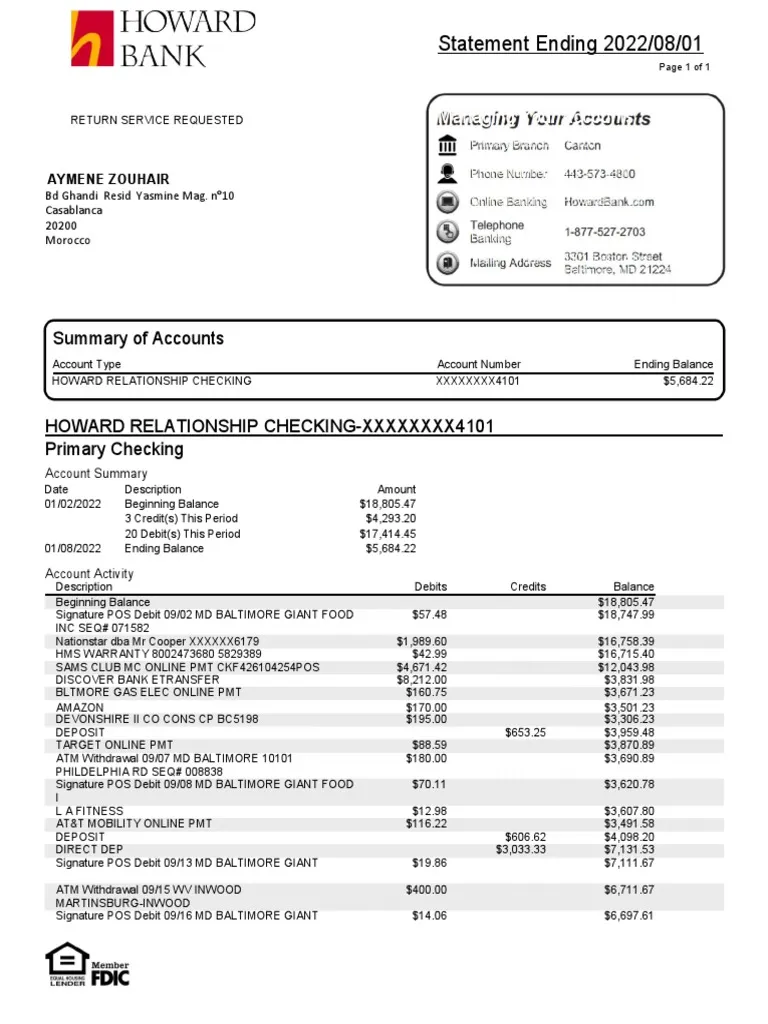
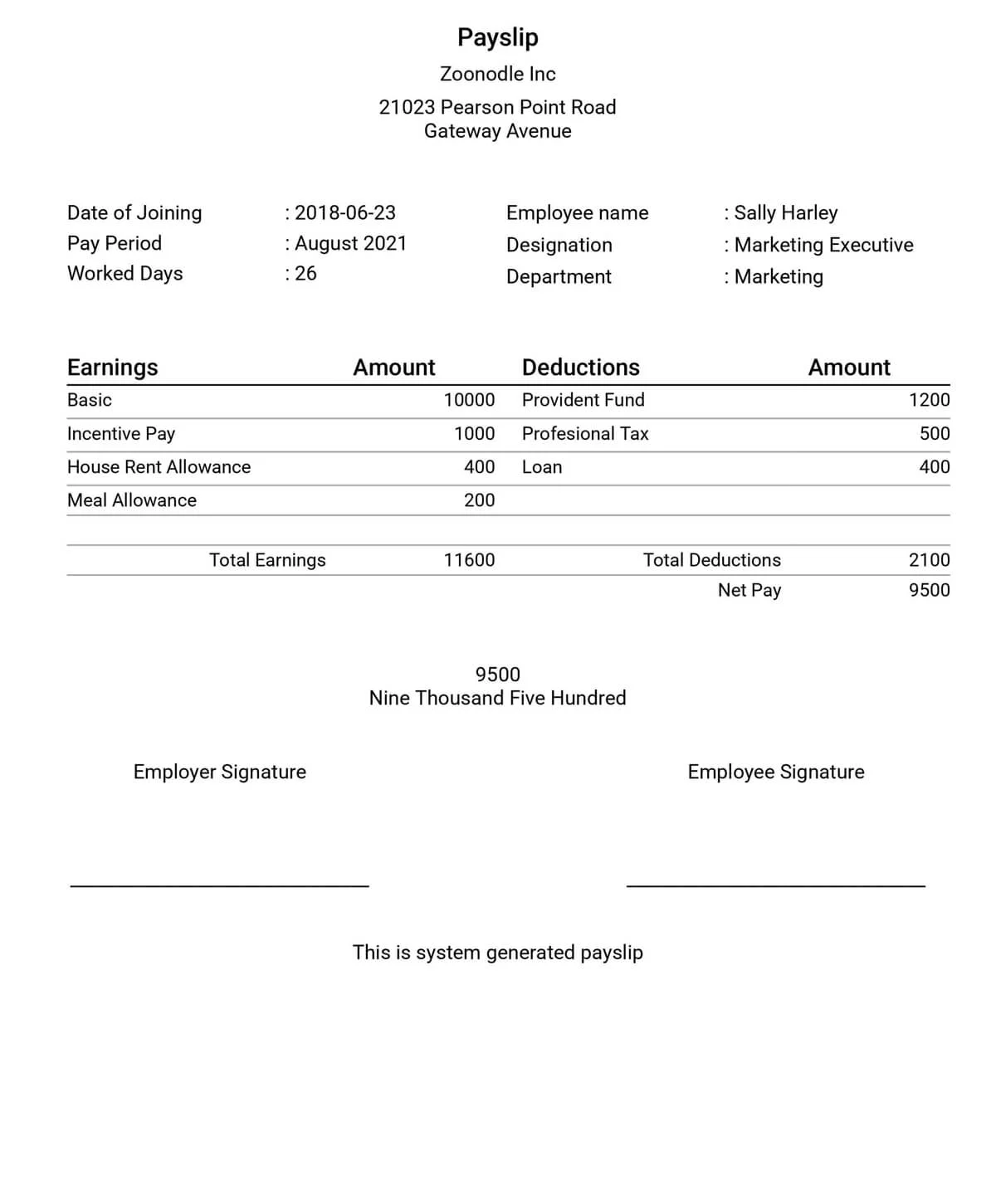
What are the acceptable Source of Funds (SOF) for EDD?
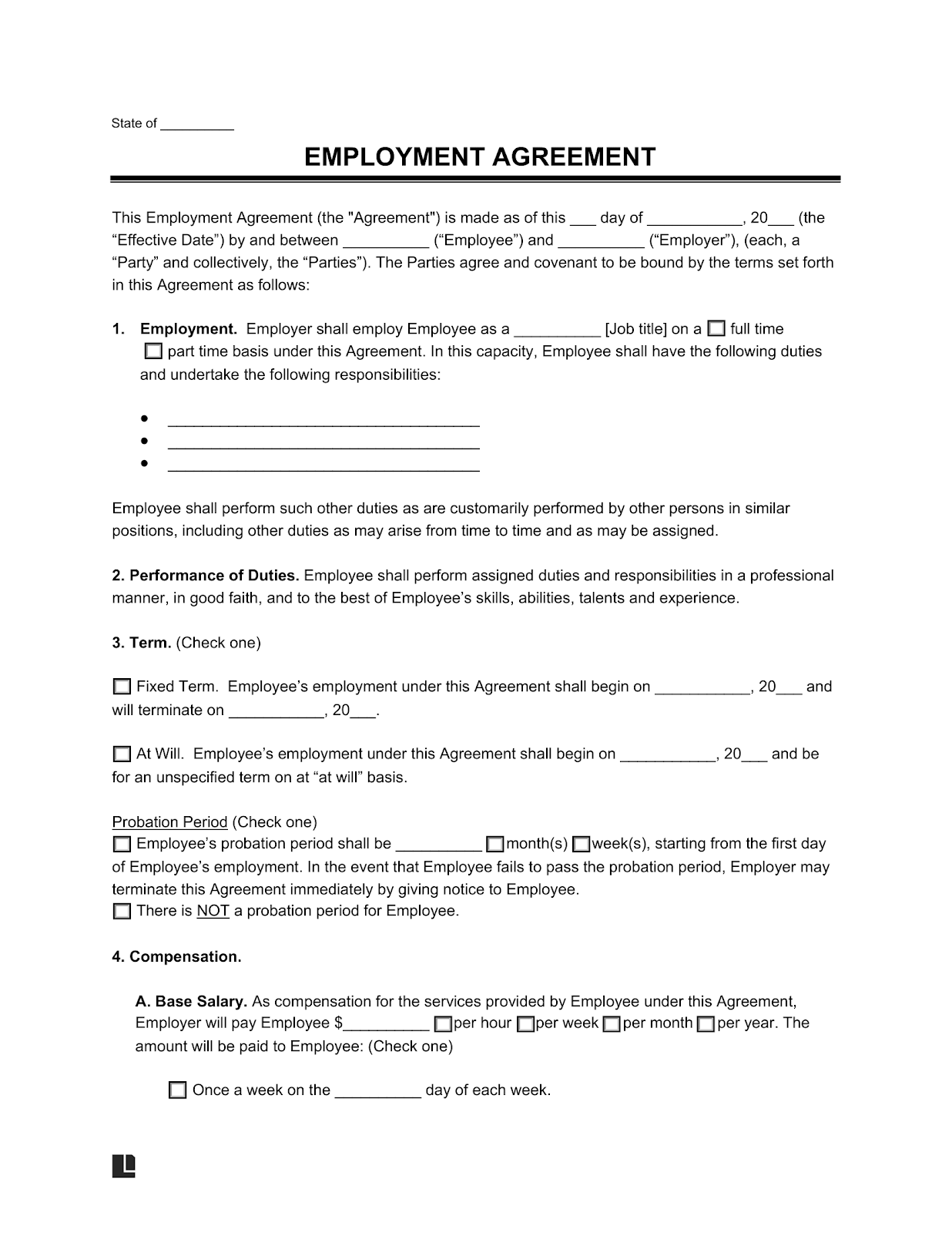



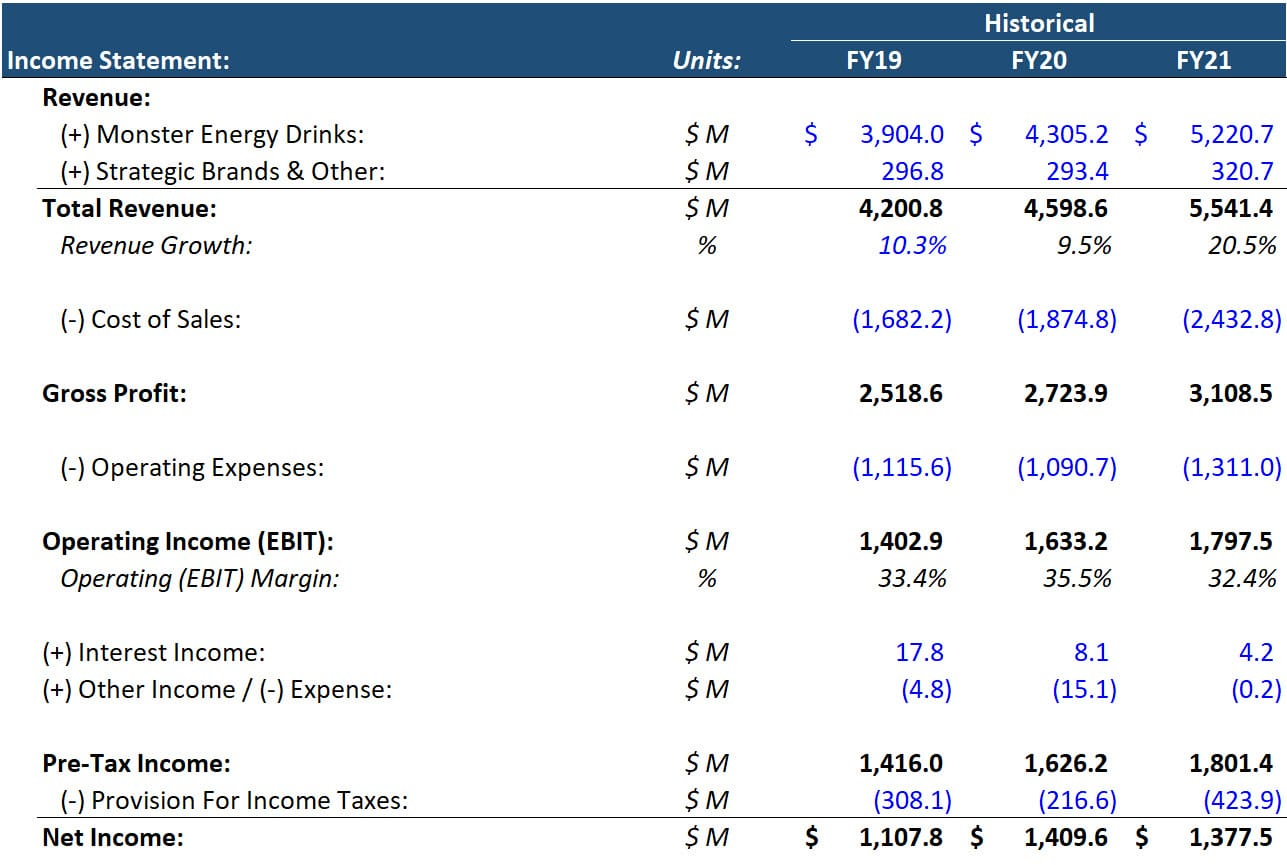
When does Bybit EU ask me to complete Enhanced Due Diligence (EDD)?
To comply with applicable anti-money laundering and counter-terrorist financing regulations, Bybit EU may require additional verification when certain risk indicators or regulatory thresholds are met. This process helps us ensure platform security and regulatory compliance. The requested information is used solely for compliance purposes and handled in accordance with data protection requirements.
How is EDD different from regular KYC on Bybit EU?
Regular KYC (Know Your Customer) on Bybit EU covers basic checks such as verifying your identity and proof of address. Once this is done, you can usually access core platform features, subject to limits.
EDD goes a step further. When EDD is required, we may:
- Ask for extra information about your Source of Funds (SOF) and Source of Wealth (SOW)
- Review your transaction behaviour in more detail, including both fiat and crypto flows
- Carry out enhanced screening (for example, PEP/sanctions checks, adverse media checks)
- Apply closer ongoing monitoring of your activity where required by regulations
In simple terms: KYC confirms who you are; EDD helps us understand where your funds come from and how you use the platform.
Does EDD include my crypto wallets and on-chain activity?
Yes. As a crypto platform, Bybit EU may review both your fiat and crypto activity as part of EDD.
We may ask you to:
- Provide the wallet addresses you own or control
- Share exported transaction history or screenshots from specific wallets or other exchanges
- Explain large or unusual deposits/withdrawals (for example, from OTC desks, DeFi protocols, or third-party platforms)
We may also use blockchain analytics tools to help verify that your crypto funds come from legitimate sources and are consistent with your declared Source of Funds and Source of Wealth. This is part of our obligation to prevent money laundering, terrorist financing, and other illicit activities.
Will my Bybit EU account be restricted during EDD, and how can I avoid delays?
In some cases, certain features of your Bybit EU account (for example, withdrawals or fiat on/off ramps) may be temporarily limited while your EDD review is in progress. This is normal and allows our compliance team to complete the required checks safely.
You can help ensure a smooth and faster review by:
- Uploading clear, readable, and complete documents (no cropping, edits, or missing pages)
- Making sure your name, dates, amounts, and addresses are visible and match your Bybit EU account information
- Providing full statements or contracts, not just partial screenshots
- Responding promptly if our team requests any additional information or clarification
What happens if I do not provide the requested information?
Failure to provide the requested SOF or SOW information and documentation within the specified timeframe may result in:
- Restrictions on account functions, including deposits, withdrawals, or trading
- Delays in processing transactions
Providing accurate information ensures uninterrupted access to Bybit EU services and helps maintain compliance with applicable laws.
Can I provide multiple sources of funds or wealth?
Yes. Users may have multiple legitimate sources, such as a combination of salary, business income, and investment returns.
How is my information handled, and is my personal information safe?
All information provided is handled securely and in accordance with applicable data protection and privacy regulations. It is used solely for compliance and regulatory review purposes.